
You’ve probably clocked someone at the local club or a pub backroom leaning over a terminal, one hand steady on the screen, the other holding a coffee. That’s the practical shape of casino one handed play, and it’s why the setup matters more than the marketing. I’ve spent years checking live tables and mobile lobbies across the region, and what sticks is whether a platform actually respects the way people play when they’re on the move, not just what it promises on a landing page. If you’re keen to try live on tower rush online, you’ll notice the same one-handed rhythm carries through the lobby, the bet slip, and the payout screen without forcing you to pinch, zoom, or hunt for buttons.
How the lobby fits a single hand
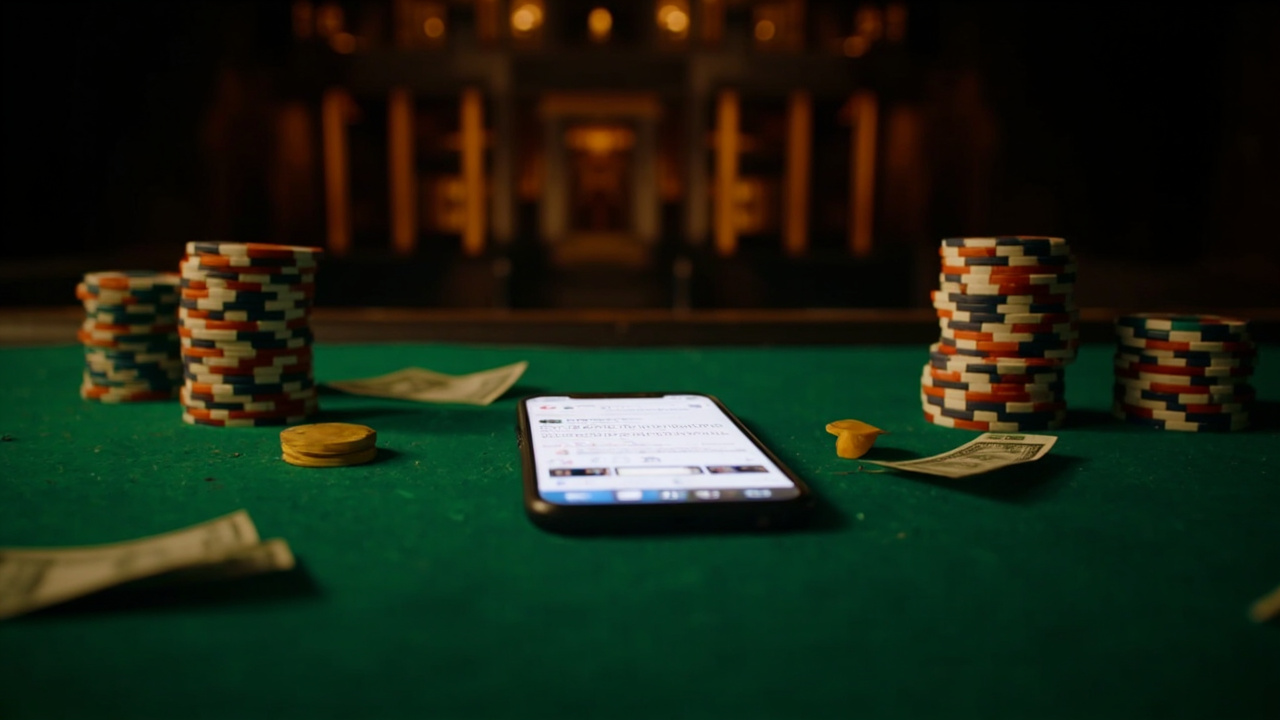
The first thing you hit is the lobby, and that’s where casino one handed play either earns its keep or gets in your own way. A clean grid, readable chip values, and a bet slip that opens without swallowing half the screen make the difference between a calm arvo session and a frustrating tap-fest. I’ve watched players in Newcastle pubs and coastal clubs work these screens on breaks, and the ones that hold up are the ones that keep the primary action within a thumb’s reach. You don’t need a dozen tabs open; you need a lobby that loads fast, shows the live tables or reels without lag, and lets you move from one game to another without re-entering details every time. That’s the everyday usability test, and it’s the same one I use when I’m assessing a new lobby for a client briefing.
Betting, rounds, and the one-handed rhythm
Once you’re in a round, the one-handed flow gets real. You’re placing a stake, watching the deal or the spin, and reading the result without shifting your grip. Good casino one handed play keeps the stake controls in a predictable spot, gives you a clear confirm step, and doesn’t hide the result behind a pop-up that demands a second hand to dismiss. I’ve seen setups where the bet slip slides over the action and forces you to tap around it, and that’s the kind of friction that turns a quick session into a chore. What works better is a layout where the stake selector, the confirm button, and the result readout sit in a natural line, so your eye and your thumb can stay on the same track. That’s the practical walkthrough most players actually live with, and it’s the detail that separates a usable lobby from one that looks fine in a screenshot.
Payments, timing, and the local reality
Money movement is where the local reality bites, and it’s where casino one handed play has to meet the way Australians actually pay. PayID is the obvious fit for quick moves, and BPAY still turns up when someone wants a slower, scheduled path rather than an instant push. Bank transfer timing still varies, and card blocks can pop up when a transaction looks unusual to the issuer, so a clean lobby is only half the story if the cash side drags. I’ve had to explain to more than one player that a smooth mobile session means nothing if the withdrawal queue or the verification step stalls the whole thing. You want a platform that states its payment windows plainly, uses local methods without making you jump through offshore-style hoops, and keeps the process readable on a phone screen. That’s the judgement call I make when I’m weighing a lobby’s real fit, and it’s the same call I’d make before pointing anyone toward a neighbour such as Inside Story for the broader context on how these payment threads get reported.
Support, loyalty, and the Newcastle test
Support and loyalty are where casino one handed play either builds trust or leaves you guessing. A lobby can look tidy, but if the help channel takes forever to answer, or the loyalty points vanish into a vague tier system, the one-handed convenience doesn’t carry the whole experience. I’ve sat with players in Newcastle who wanted a straight answer about a pending move, and the ones that worked were the ones with a clear contact path and a loyalty structure that actually tracked back to what they’d put in. You don’t need a sprawling rewards programme; you need one that makes sense on a phone, shows your progress without a scavenger hunt, and doesn’t force you to re-read the same terms every time you check in. ScreenHub’s coverage of local screen and gaming habits, at ScreenHub, often lands on the same point: the platforms that hold up are the ones that keep the small stuff readable when you’re not sitting at a desk.
Checklist
- Check that the lobby loads the primary action within a thumb’s reach before you commit to a stake. try live on tower rush online
- Confirm the bet slip and confirm button sit in a predictable line so one hand can manage the round.
- Look for PayID or BPAY as clear local options, and note any bank transfer timing before you move money.
- Read the support path on a phone screen, not just on a desktop, so the help channel matches how you’ll actually reach it.
- Check the loyalty or points view on mobile, and make sure it shows progress without hiding the terms in a submenu.
Final note
Casino one handed play isn’t a gimmick; it’s the way a lot of locals actually use a lobby when they’re between things, and the platforms that respect that rhythm are the ones worth a proper look. I’d still say check the payment windows, the support path, and the loyalty view before you put money in, because a tidy screen means little if the cash side or the help channel goes quiet. If it all lines up, you can settle into a session without fighting the interface, and that’s the whole point.